Introduction
Primary market research helps businesses collect direct insights from customers, making it one of the most reliable ways to understand consumer behavior, preferences, and decision-making patterns. Unlike data gathered from existing reports or public sources, this type of research focuses on real responses from a specific audience.
However, customer feedback is not always as straightforward as it appears. People can be influenced by emotions, personal beliefs, social expectations, memory, and even the way questions are presented. As a result, what customers say in surveys or interviews may not always match their actual behavior.
Understanding these psychological influences is essential for improving the accuracy of primary research for marketing. Whether businesses use surveys, interviews, focus groups, or observation, recognizing how people think and respond can lead to more meaningful insights and better decisions.
This guide explains what is primary research, explores common primary market research methods, and highlights 9 important psychological factors that shape customer responses. It also covers practical examples, benefits, challenges, and strategies to improve the quality of research outcomes.
What is Primary Market Research?
Let’s start with the basics.
Primary Research Definition
Primary market research is the process of gathering original information directly from your target audience. This data is collected specifically for your business needs rather than taken from existing sources.
What is Primary Research in Marketing?
In a marketing context, primary research for marketing helps businesses understand:
- Customer preferences
- Buying motivations
- Pain points
- Satisfaction levels
Unlike secondary research, this approach focuses on real-time, relevant insights tailored to your goals.
Primary vs Secondary Research: What Sets Them Apart?
Understanding primary vs secondary research helps you choose the right approach.
- Primary market research involves collecting fresh data directly from people.
- Secondary research relies on already available data like reports, studies, or statistics.
Primary Market Research vs Secondary Market Research
Here’s the simple difference:
- Primary research = specific, accurate, and customized
- Secondary research = quick, affordable, and general
Smart businesses often combine both, but when precision matters, primary market research becomes essential.
Types of Primary Market Research
There isn’t just one way to conduct research. Different situations call for different approaches.
Common Types of Primary Market Research
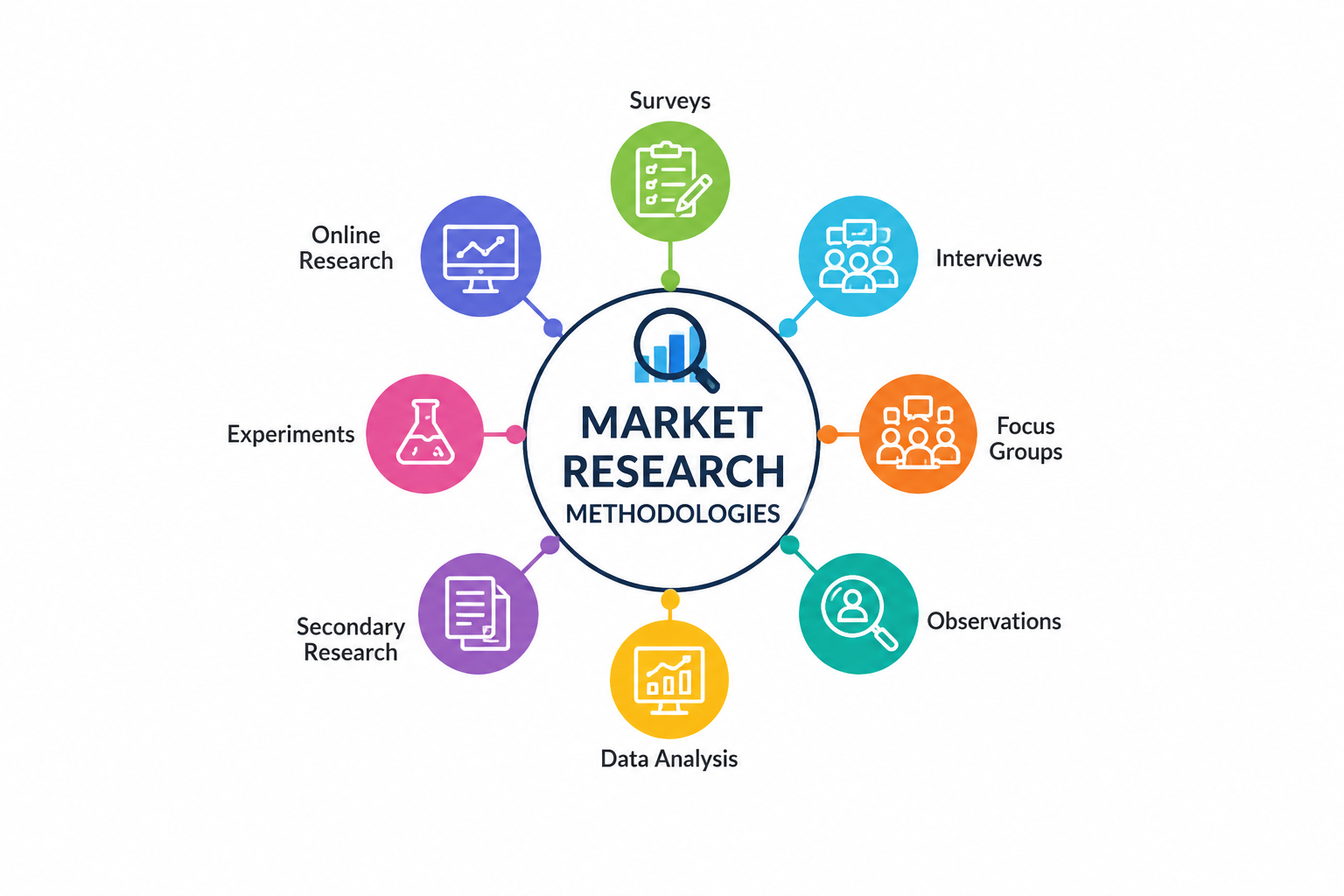
- Surveys – Ideal for collecting large amounts of structured data
- Interviews – Useful for deep, detailed understanding
- Focus Groups – Great for exploring opinions and group dynamics
- Observation – Helps capture real behavior instead of reported behavior
- Experiments – Used to test variables like pricing or design
Each of these methods falls under widely used primary market research methods.
Primary Research Methods and Techniques
To get reliable insights, choosing the right approach is crucial.
Popular Primary Research Methods
- Online questionnaires
- Face-to-face interviews
- Phone surveys
- Product trials
Effective Primary Research Techniques
- Asking open-ended questions
- Monitoring behavior patterns
- Running controlled tests
- Using visual or interactive prompts
These primary research techniques help uncover deeper insights that numbers alone cannot reveal.
Psychological Insights That Shape Customer Responses
Collecting responses is easy. Understanding them is where the real challenge lies.
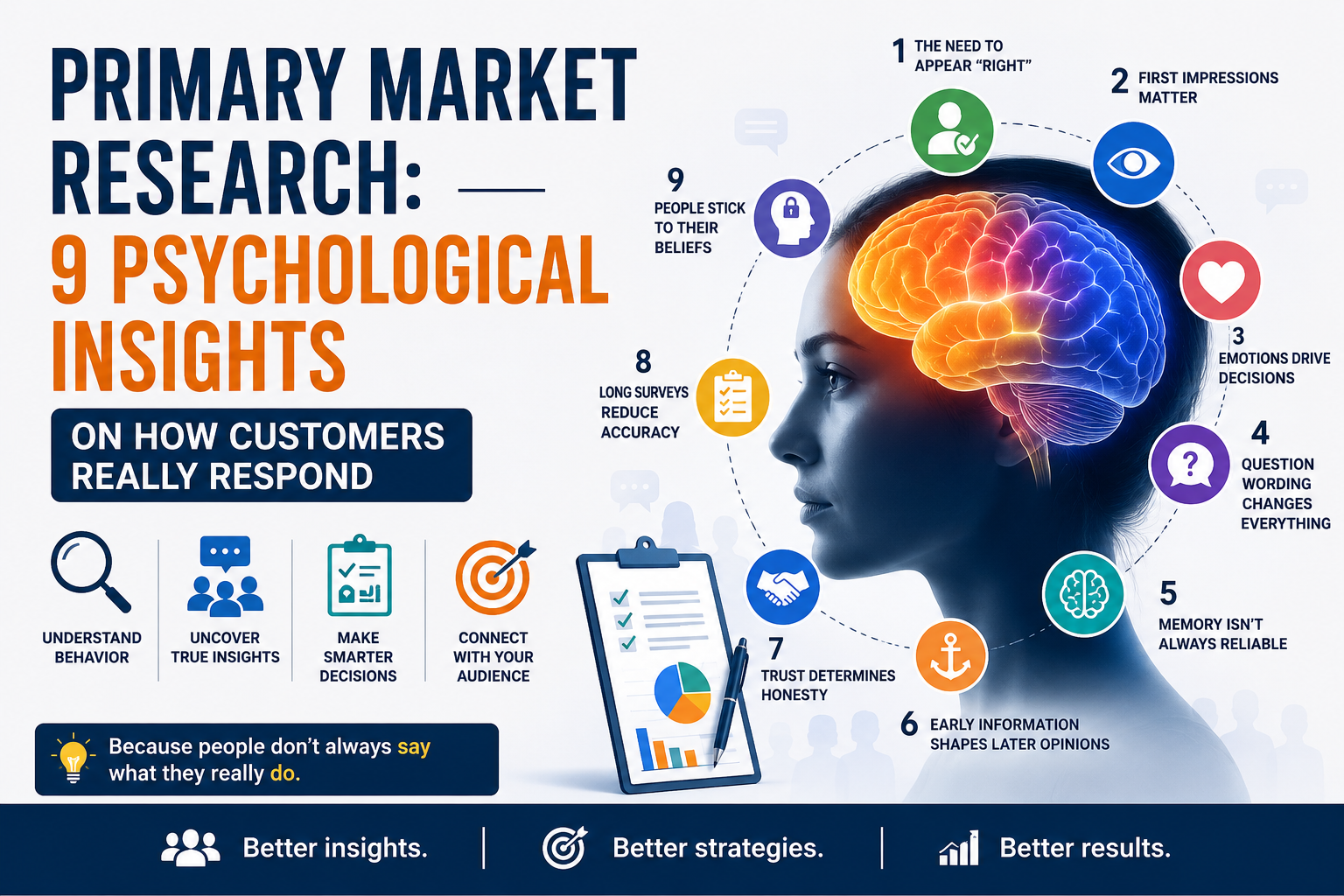
Here are 9 psychological factors that influence primary market research outcomes:
The Need to Appear “Right”
People often give answers they believe are socially acceptable instead of being fully honest.
For example, someone might claim they prefer sustainable products but choose cheaper alternatives in reality.
First Impressions Matter More Than You Think
Customers tend to judge everything based on their initial perception. This is why branding plays a powerful role in primary marketing research.
Emotions Drive Decisions
Most buying decisions are emotional first, logical later. If your research ignores emotions, you miss the real story.
Question Wording Changes Everything
Even small changes in how you ask a question can lead to completely different answers.
Memory Isn’t Always Reliable
People don’t always remember past experiences accurately, which affects many primary research examples like feedback surveys.
Early Information Shapes Later Opinions
This is known as anchoring. The first piece of information customers see can influence all future responses.
Trust Determines Honesty
If respondents don’t feel safe or confident, they may hold back or provide misleading answers. This is especially important in primary market research services.
Long Surveys Reduce Accuracy
When surveys are too long, participants lose focus and rush through answers.
People Stick to Their Beliefs
Customers often respond in ways that confirm what they already think, even if new information is presented.
Primary Research Examples in Action
Here are a few practical primary research examples:
- A startup testing product demand through online surveys
- A retail brand gathering feedback via focus groups
- A healthcare provider using patient interviews (healthcare primary market research)
- A company analyzing customer experience through observation
These examples highlight how primary research for marketing helps businesses make informed decisions.
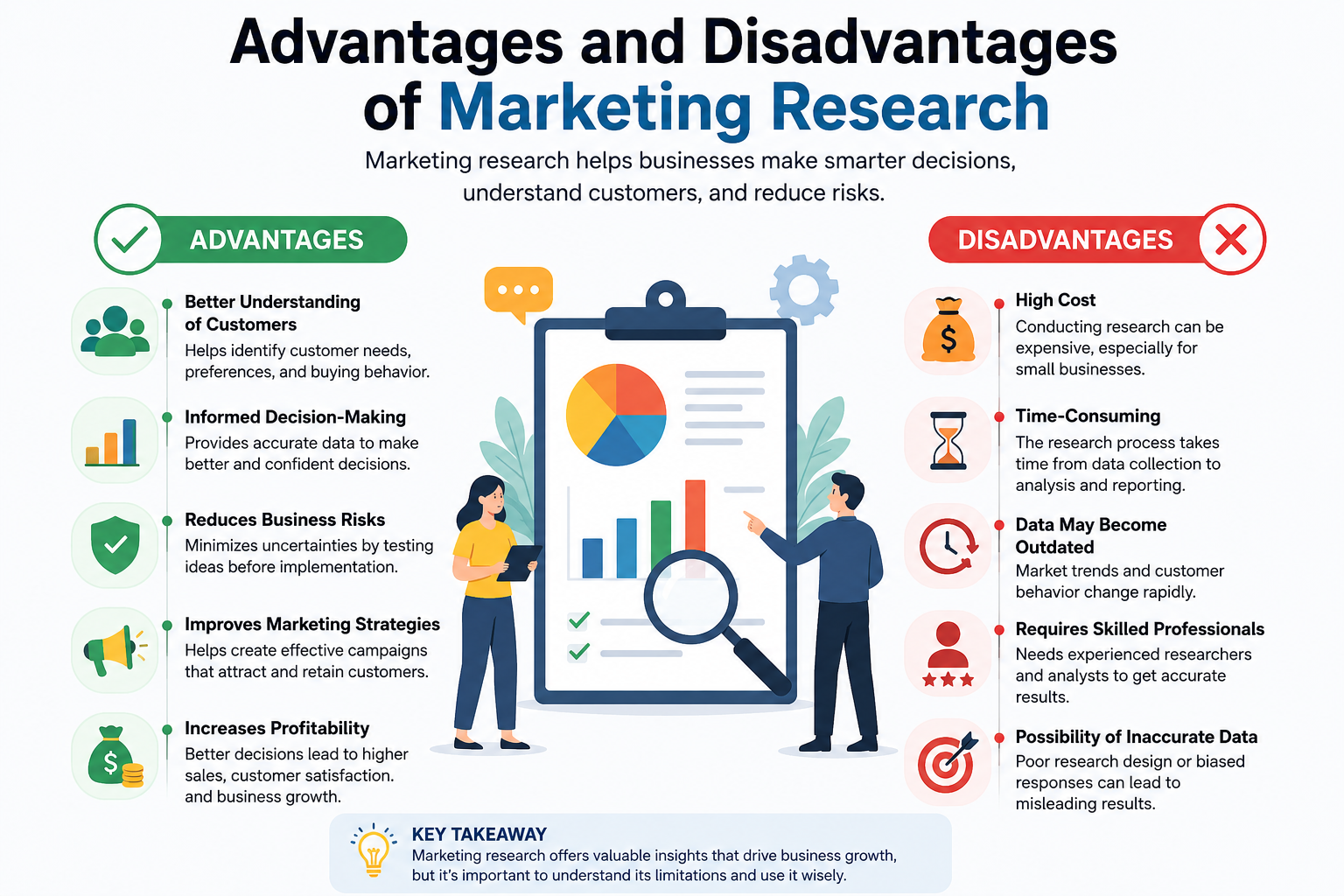
Benefits of Primary Market Research
The benefits of primary market research go far beyond basic data collection.
Key Advantages
- Accurate insights tailored to your needs
- Better decision-making based on real feedback
- Stronger customer understanding
- Improved product development
- Competitive advantage through unique data
When done correctly, primary market research becomes a powerful strategic tool.
Primary Market Research Services and Firms
Many businesses choose to work with a primary research firm to ensure quality and efficiency.
What Primary Market Research Services Offer
- Survey creation and distribution
- Data collection and processing
- Customer behavior analysis
- Insight reporting
Professional primary market research services help organizations avoid common mistakes and improve data reliability.
Healthcare Primary Market Research: Why It Matters
In sensitive industries, data accuracy is even more important.
Healthcare primary market research helps organizations:
- Understand patient expectations
- Improve service delivery
- Enhance communication
- Identify gaps in care
Since emotions strongly influence healthcare decisions, psychological insights become essential here.
How to Improve Primary Market Research Results
To get better outcomes:
Start with Clear Goals
Know exactly what you want to learn.
Choose the Right Methods
Different problems require different primary market research methods.
Keep Questions Simple and Neutral
Avoid confusing or leading questions.
Respect the Participant’s Time
Shorter surveys lead to better responses.
Combine Data Types
Mix qualitative and quantitative insights for accuracy.
Primary Market Research vs Big Data
While big data shows trends, primary market research explains the reasons behind them.
- Big data = patterns and numbers
- Primary research = meaning and context
Using both together gives the best results.
Common Challenges in Primary Research
Despite its advantages, primary market research comes with challenges:
- High cost for large-scale studies
- Time-consuming processes
- Risk of biased responses
- Difficulty in reaching the right audience
Recognizing these issues helps improve your approach.
Frequently Asked Questions:
Why does primary market research fail?
Failure often happens due to unclear goals, poor question design, or choosing the wrong primary research methods. If participants don’t feel comfortable or questions are biased, the results become unreliable. Ignoring psychological factors also leads to misleading conclusions.
How can you improve primary market research accuracy?
Accuracy improves when you use clear objectives, unbiased questions, and multiple primary research techniques. Keeping surveys short and combining different methods ensures better quality data.
Is primary market research better than big data?
Each serves a different purpose. Primary market research vs secondary market research and big data comparisons show that primary research provides deeper insights, while big data identifies trends. Together, they create a complete picture.
What is the biggest challenge in primary market research?
The biggest challenge is getting honest responses. Factors like social pressure, lack of trust, and fatigue can affect data quality in primary market research.
Can small businesses afford primary market research?
Yes. Affordable tools like online surveys and social media polls make primary research for marketing accessible even for small businesses.
What is response bias in primary market research?
Response bias occurs when participants give inaccurate answers due to influence, misunderstanding, or discomfort. Reducing bias is essential for reliable primary market research.
What is the role of emotions in primary market research?
Emotions heavily influence customer decisions. Understanding emotional triggers helps interpret responses more accurately in primary marketing research.
How does trust impact primary market research results?
Trust directly affects honesty. When participants trust the process, they provide more genuine and useful responses, improving the effectiveness of primary market research.
Conclusion
At its core, primary market research is not just about collecting answers, it’s about understanding people.
When you combine strong primary research methods with psychological awareness, you move beyond surface-level data and uncover real customer insights.
Businesses that master this approach don’t just follow trends, they create them.
For deeper insights and expert-led strategies, you can explore solutions at ResearchFox.